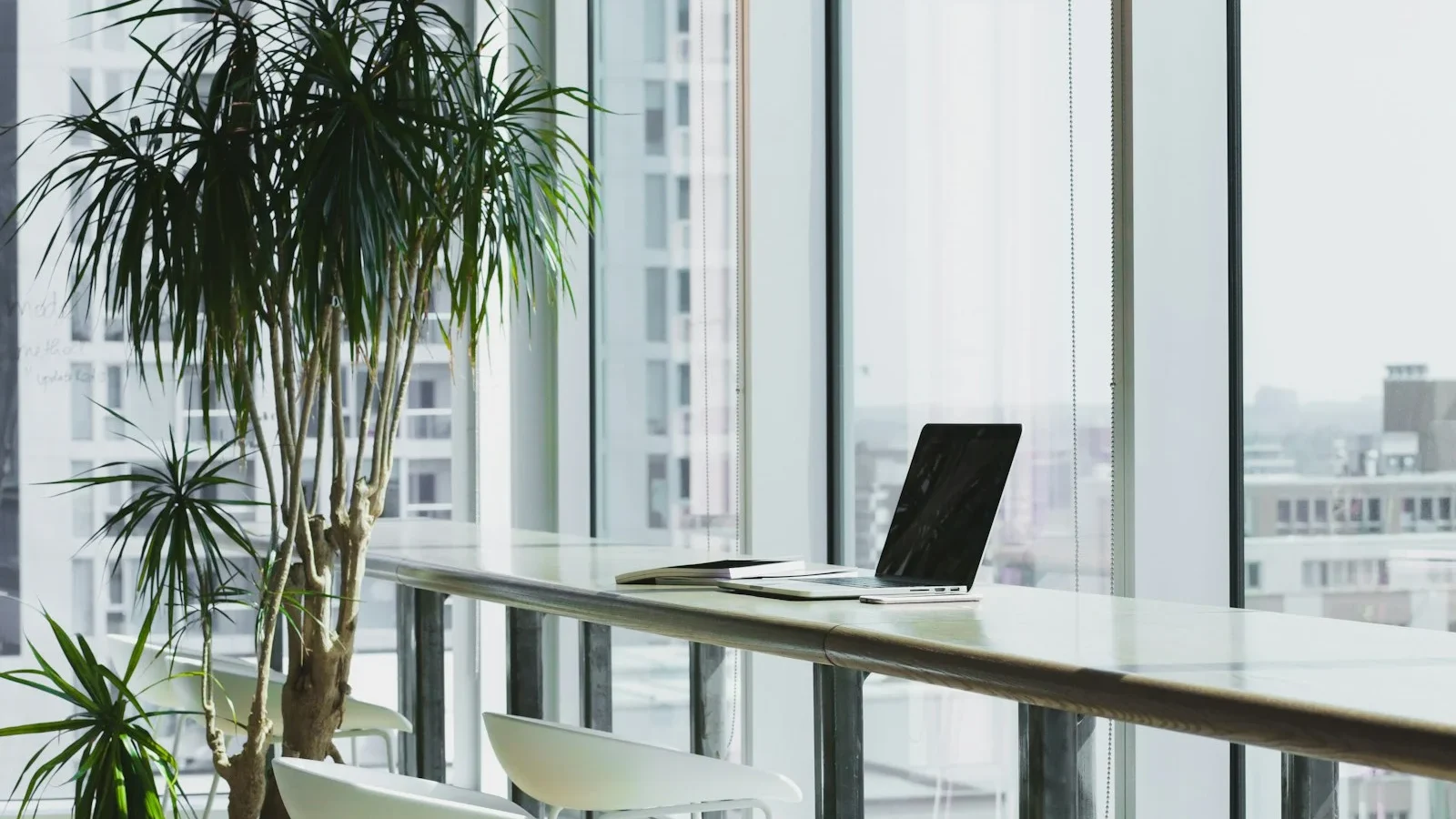
Deep work—the ability to focus without distraction on a cognitively demanding task—has become the single most valuable skill in the 21st-century economy. Yet, the vast majority of modern office spaces are engineered, intentionally or not, to systematically dismantle it.
Key Takeaways
- Visual and acoustic compartmentalization directly reduces task-switching penalties by up to 40%.
- Lighting temperature and biophilic cues maintain circadian alertness across long afternoon focus blocks.
- Zoned coworking architecture eliminates the friction between high-energy collaboration and quiet execution.
The Hidden Cost of Fragmented Attention
Research pioneered by Dr. Gloria Mark at the University of California, Irvine reveals that it takes an average of 23 minutes and 15 seconds to return to the original flow state after a single interruption. When employees work in an open-plan bullpen devoid of acoustic dampening, micro-distractions occur every 3 to 5 minutes. The result is chronic cognitive fatigue, elevated stress hormones, and a working day consumed by shallow reactive tasks.
At Kolega, our design approach begins with a foundational question: How can the physical built environment act as an active cognitive shield for modern professionals? Rather than viewing office space as a collection of square meters and rental desks, we treat spatial design as behavioral architecture.
Spatial Acoustics and the Science of Quiet Zones
Noise pollution is the primary grievance reported by knowledge workers worldwide. However, total silence is rarely the answer—pure silence creates an acoustic environment where even the click of a pen or a whispered greeting becomes jarring. The optimal acoustic landscape balances subtle ambient hum with targeted noise absorption.
Our coworking floors implement three distinct architectural principles to master workplace acoustics:
- Multi-layered acoustic baffling: Ceiling baffles and upholstered wall panels with high Noise Reduction Coefficients (NRC > 0.85) trap reverberating sound waves before they bounce across open desks.
- Buffer zone transitions: Communal coffee bars, phone booths, and lounge areas are deliberately physically separated from deep work zones by transitional library-style corridors.
- Private phone nooks: Dedicated soundproof pods ensure that unscheduled client calls do not puncture the focus of neighboring desk workers.
Comparing Workspace Formats: Productivity & Cost Efficiency
Choosing the right workplace format is not just an aesthetic decision—it directly impacts operating overhead, employee retention, and daily output. Below is a structural comparison of typical work environments in Jakarta:
| Workspace Type | Focus Protection | Acoustic Zoning | Flexibility | Setup Cost |
|---|---|---|---|---|
| Conventional Office Lease | Moderate (depends on fitout) | Fixed partitions | Low (3-5 yr lease) | High (Fitout + Capex) |
| Traditional Open Bullpen | Very Low (frequent interruptions) | None / Poor | Moderate | Moderate |
| Coffee Shops & Public Cafes | Low (visual & noise chaos) | Uncontrolled | High (Daily) | Low (Per coffee) |
| Kolega Coworking & Private Office | High (Dedicated quiet zones) | Engineered acoustic zones | High (Monthly / Flexible) | Zero (Fully furnished) |
Lighting, Ergonomics, and Circadian Energy Management
Energy management throughout an 8-hour workday is heavily dictated by lighting and postural support. Cheap fluorescent overheads induce eye strain and early-afternoon energy crashes. In contrast, Kolega spaces prioritize layered lighting systems combining natural window day-lighting with 3000K–4000K warm-spectrum LED task lighting.
Furthermore, our workstations feature high-grade ergonomic seating engineered for pelvic stability and spinal alignment. By pairing supportive chairs with expansive solid wood table surfaces and integrated desktop power rails, members eliminate the physical discomfort that often cuts deep work sessions short.
Practical Rituals for Deep Work at Kolega
To maximize your output when working from any of our Jakarta locations, we recommend adopting these proven member rituals:
- Time-block the morning: Dedicate 09:00 to 12:00 to your highest-leverage task in our dedicated quiet coworking library before checking email or Slack.
- Step into the community lounge for breaks: Treat coffee breaks as intentional social transitions. Grabbing an espresso in the communal pantry resets your attention without inviting desk distractions.
- Use meeting rooms strictly for decisions: Book a private meeting room for rapid 30-minute syncs rather than lingering in open areas.
Frequently Asked Questions
How does Kolega ensure quiet zones remain quiet?
We maintain strict community etiquette standards. Quiet coworking zones are designated for silent work with phones on silent mode. Members take calls in private phone booths or in communal lounge areas.
Are private phone booths free to use for members?
Yes, all Day Pass, Dedicated Desk, and Private Office members enjoy unlimited access to soundproof phone booths on a first-come, first-served basis for quick calls and virtual meetings.
Can teams book dedicated desks with 24/7 access?
Yes. Dedicated Desk and Private Office plans include 24/7 keycard access, personal lockable storage, and ergonomic desk setups configured for high-productivity teams.